
General
Understanding the Role of SCADA in Modern Operational Management
Jan 05, 2026
As operational complexity continues to grow across many sectors, organizations can no longer rely solely on manual reports or limited supervision. They need systems that provide fast, accurate, and centralized information. This is where SCADA (Supervisory Control and Data Acquisition) plays a vital role in enabling data-driven operations.
This article explains how SCADA helps organizations transition from conventional operational approaches to more structured, measurable, and information-based management.
Many organizations still face the following challenges:
Without structured data, operations tend to be reactive and struggle to achieve continuous improvement.
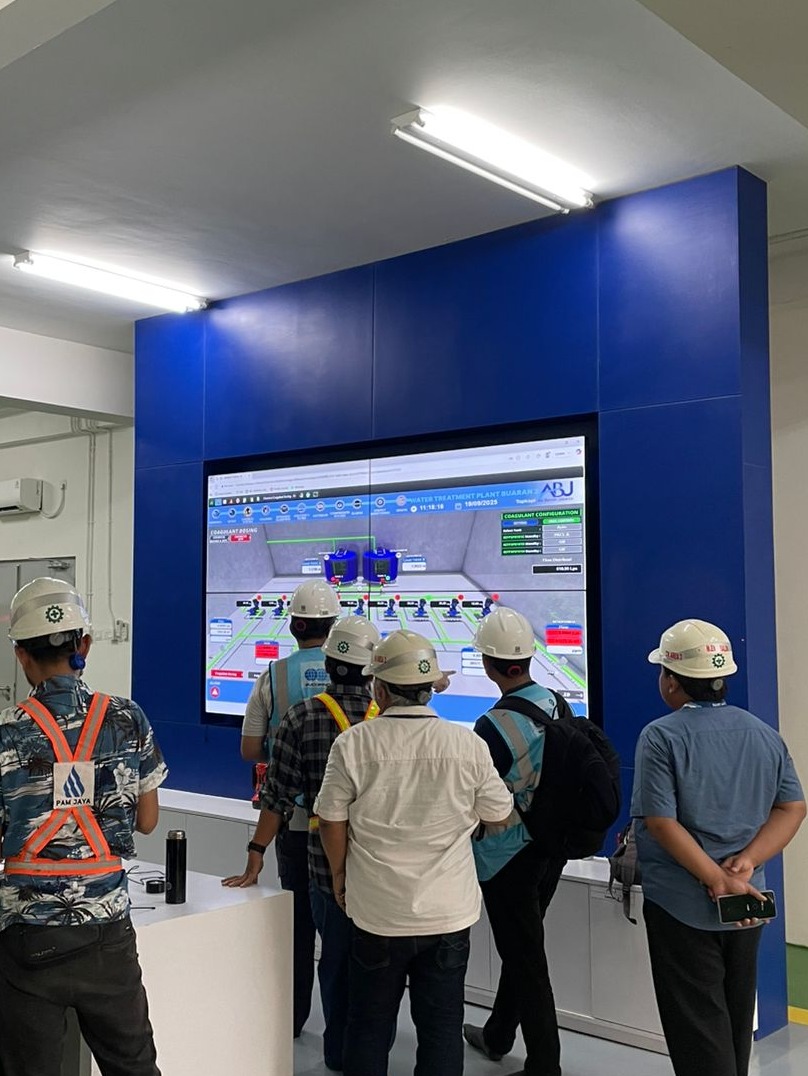
SCADA functions as a system that collects field data, stores it centrally, and presents it in an easy-to-understand format. Through SCADA, organizations can:
Data is no longer hidden in the field—it becomes a valuable operational asset.
The key advantage of SCADA lies not only in data collection, but in its ability to transform data into relevant and actionable information. With structured and consistent visualization, users can:
SCADA helps organizations understand what is happening, not just see numbers.
With real-time and historical data readily available, decision-making becomes:
SCADA enables both management and operations teams to share a common understanding of system conditions.
SCADA is often the first step toward broader digital initiatives. From a SCADA foundation, organizations can further develop:
With a solid SCADA foundation, advanced technology adoption becomes more structured and sustainable.
SCADA-based approaches are applicable to many sectors, including:
Each organization can scale SCADA implementation according to its operational needs and complexity.
SCADA is not merely a monitoring system—it is a critical foundation for building data-driven operations. With real-time visibility, structured historical data, and clear operational insights, organizations can manage their operations with greater confidence, control, and readiness for future challenges.
Jan 05, 2026

Nov 19, 2025

Sep 26, 2025
Sep 24, 2025